By Christopher P. Chaney, Esq.
When preparing for U.S. citizenship, it is natural to focus on the English and civics tests. But knowing the answers to the test questions is only one part of naturalization. USCIS also reviews whether you qualify under the law and whether the information in your application is accurate.
An old arrest, a tax problem, extended travel or an inconsistency in an earlier immigration application may deserve attention before you file Form N-400. Identifying these issues early gives you time to obtain records and understand how they affect your case.
Good moral character involves more than a criminal-record check
USCIS issued a policy memorandum in August 2025 emphasizing a broader, case-by-case evaluation of good moral character. It addresses both adverse conduct and evidence of rehabilitation or responsible conduct. Favorable evidence, however, cannot overcome every legal bar.
The required review period depends on the basis for naturalization. Older conduct can also matter when relevant to present character or rehabilitation, and eligibility must continue through the oath ceremony. Waiting until an incident is several years old does not necessarily make it irrelevant.
An arrest or DWI requires careful review, not assumptions
An arrest is not the same as a conviction, and an arrest history does not automatically answer whether someone qualifies for citizenship. The charge, disposition, sentence, underlying circumstances and applicable immigration rules must be examined.
DWI or DUI deserves particular attention. USCIS guidance recognizes that two or more DUI convictions during the relevant statutory period create a rebuttable presumption of a lack of good moral character. That does not make a single DWI automatically harmless, nor does it mean two convictions always produce the same outcome.
USCIS cannot approve naturalization while an applicant remains on probation, parole or under a suspended sentence. Completing the sentence is important, but it does not by itself resolve every eligibility question.
Before filing, obtain the applicable certified court records and evidence of completion. Do not assume that a dismissed, expunged or pardoned case can be omitted. The Form N-400 instructions address disclosure, required records and situations in which records are unavailable.
Taxes and family-support obligations can matter
USCIS may examine overdue taxes and compliance with support obligations. If taxes are owed, its instructions identify relevant evidence such as tax transcripts, a payment agreement and documentation showing the status of repayment. A payment plan is evidence to evaluate, not a guarantee of approval.
Applicants with dependent children living elsewhere should also review their support history and available proof. Preparing these records before filing is often more useful than trying to reconstruct them after a request for evidence arrives.
Travel and earlier immigration records are part of the picture
Continuous residence and physical presence are separate naturalization requirements. Review your travel dates carefully, particularly extended absences. USCIS may require evidence that you maintained U.S. residence during a trip of more than six months but less than one year.
Naturalization also requires lawful admission for permanent residence. Receiving a green card does not prevent USCIS from examining whether it was obtained lawfully. Problems in an earlier application, including material misrepresentations or an erroneous grant, may affect eligibility.
For that reason, compare the proposed N-400 with your prior immigration records rather than treating it as an isolated form.
Some issues require advice before an application is submitted
Questions involving a claim to U.S. citizenship, voter registration or voting deserve individual review. USCIS policy addresses naturalization denials and notices to appear in specified false-claim and unlawful-voting cases, subject to limited statutory exceptions. The consequences can extend beyond the citizenship application itself.
If you are unsure what happened or what a form said, gather the underlying records rather than guessing at an answer.
Prepare the record, not just the test answers
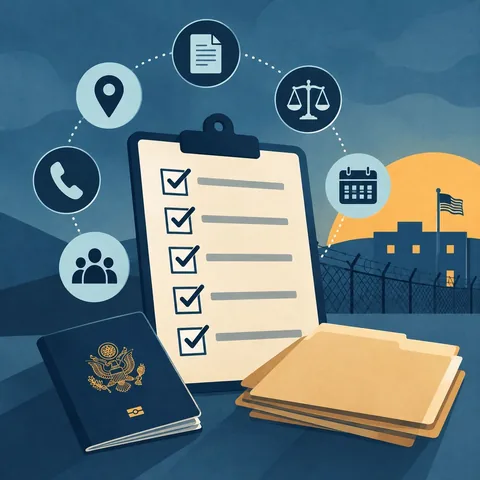
A useful starting point for an attorney review includes your green card and prior immigration applications; a travel timeline; relevant arrest and court records; tax and support records where an issue exists; and prior USCIS or immigration-court notices.
These documents help identify what needs explanation and whether filing now is appropriate. The objective is a truthful, well-supported application.
For test preparation, see our guide to the naturalization civics test. For help reviewing eligibility and preparing the application, learn about our citizenship and naturalization services.
Chaney Immigration Law Firm offers a one-hour attorney consultation for $125, credited toward the firm’s legal fees if you retain the firm. Schedule a consultation.
This article provides general information, not legal advice for an individual case.
>> Explore Naturalization Legal Services
>> Learn About Our Legal Consultations
If you have any questions about the services or legal fees at Chaney Immigration Law Firm, feel free to call and speak with a member of our team - (888) 880-9266.