By Christopher P. Chaney, Esq.
Preparing for U.S. citizenship starts before completing Form N-400. A well-organized file can help you answer accurately, identify missing information and recognize issues that deserve attention before you apply.
These seven categories are a starting point, not a list of documents every applicant must submit. Some are useful for preparing the application; others are required only when a particular circumstance applies. Your filing basis, personal history and USCIS notices determine what belongs in your case.
1. Your green card, identification and name-change records
Start with clear copies of the front and back of your green card, your current government-issued identification and records explaining changes to your legal name.
Check that names, dates of birth and other identifying details are consistent. If they differ, flag the discrepancy. Keep originals accessible. USCIS generally instructs applicants to bring their green card, state-issued identification and interview notice to the naturalization interview.
2. Passports and a complete travel timeline
Gather current and expired passports and travel documents covering your time as a permanent resident. USCIS asks applicants to bring documents showing absences since becoming a permanent resident. For the application, the usual travel lookback is five years before filing, or three years for a qualifying spouse-based or VAWA applicant. Record departure and return dates and countries visited. Some special eligibility categories have different instructions.
Airline receipts, calendar entries and passport stamps can help reconstruct a trip, but compare the records when dates conflict. Longer absences can raise questions about continuous residence, so identify them early rather than treating travel as a simple arithmetic exercise.
3. Address, employment and school history
Prepare the history for the five years before filing, or three years if applying under a qualifying U.S.-citizen-spouse or VAWA provision. Include full-time and part-time work or study, dates and addresses. Some military and overseas-spouse categories use different periods.
Include any gaps in your timeline. Leases, mortgage statements, employment records and school records may help you verify the timeline, but that does not mean every applicant must submit every lease or pay statement.
If you spent an extended period abroad, identify documents showing your continuing U.S. connections. An absence of more than six months but less than one year can create a presumption that continuous residence was interrupted. The evidence and analysis depend on your circumstances.
4. Marriage and family records relevant to your eligibility
Gather applicable marriage certificates, divorce or annulment decrees, death certificates and name-change orders. These can resolve uncertainty about dates or whether a prior marriage legally ended.
If applying under the usual three-year rule based on marriage to a U.S. citizen, also gather proof of your spouse’s citizenship and records of your marital union, such as joint financial or housing records. A marriage certificate alone is not the complete evidence package.
5. Tax records, especially if anything is overdue
Tax transcripts are not required in every naturalization case. If taxes are overdue, review the instructions concerning relevant transcripts, repayment agreements and evidence of the arrangement’s current status.
Identify missing returns, unresolved notices and inconsistencies in your filing history. Do not assume that owing taxes automatically prevents naturalization, or that a payment plan automatically resolves every concern.
6. Arrest, DWI and court records, if applicable
If you have an arrest or criminal matter, including a DWI, gather the arrest and charging records, final court disposition and sentencing documents. Where applicable, obtain proof that probation or another sentence was completed. An old or expunged matter should not simply be omitted. The N-400 instructions explain the records required for different outcomes.
Start early. A document showing the original charge is not necessarily a document showing how the case ended. If records cannot be located, obtain the court’s or agency’s written response and discuss the next step with counsel.
7. Earlier immigration filings and special-request records
For an attorney’s review, gather copies of prior applications, approval notices, requests for evidence and significant correspondence. These are not all automatically required N-400 attachments, but they can help check that the new application accurately reflects your history.
If seeking a disability-based exception to the English or civics requirements, discuss Form N-648 with the appropriate medical professional and your attorney. It is a separate evidentiary process, not simply a note that testing would be difficult.
Organize the records before deciding what to submit
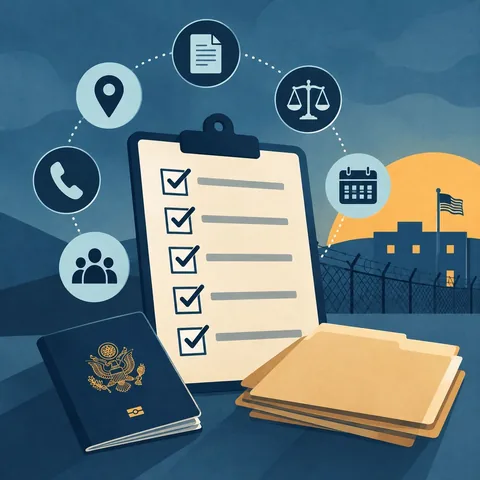
Create labeled folders and a short list of anything missing. Preserve originals, make readable scans and note inconsistencies without changing the underlying documents.
Gathering records and submitting records are different steps. Follow the current form instructions and your individual USCIS notices, and obtain advice about which documents support your application.
At Chaney Immigration Law Firm, we review the application together with the history behind it, helping clients identify missing evidence and address important questions before filing.
Learn about citizenship and naturalization services or schedule a consultation.
This article provides general information and is not legal advice for an individual case.
>> Explore Naturalization Legal Services
>> Learn About Our Legal Consultations
If you have any questions about the services or legal fees at Chaney Immigration Law Firm, feel free to call and speak with a member of our team - (888) 880-9266.